
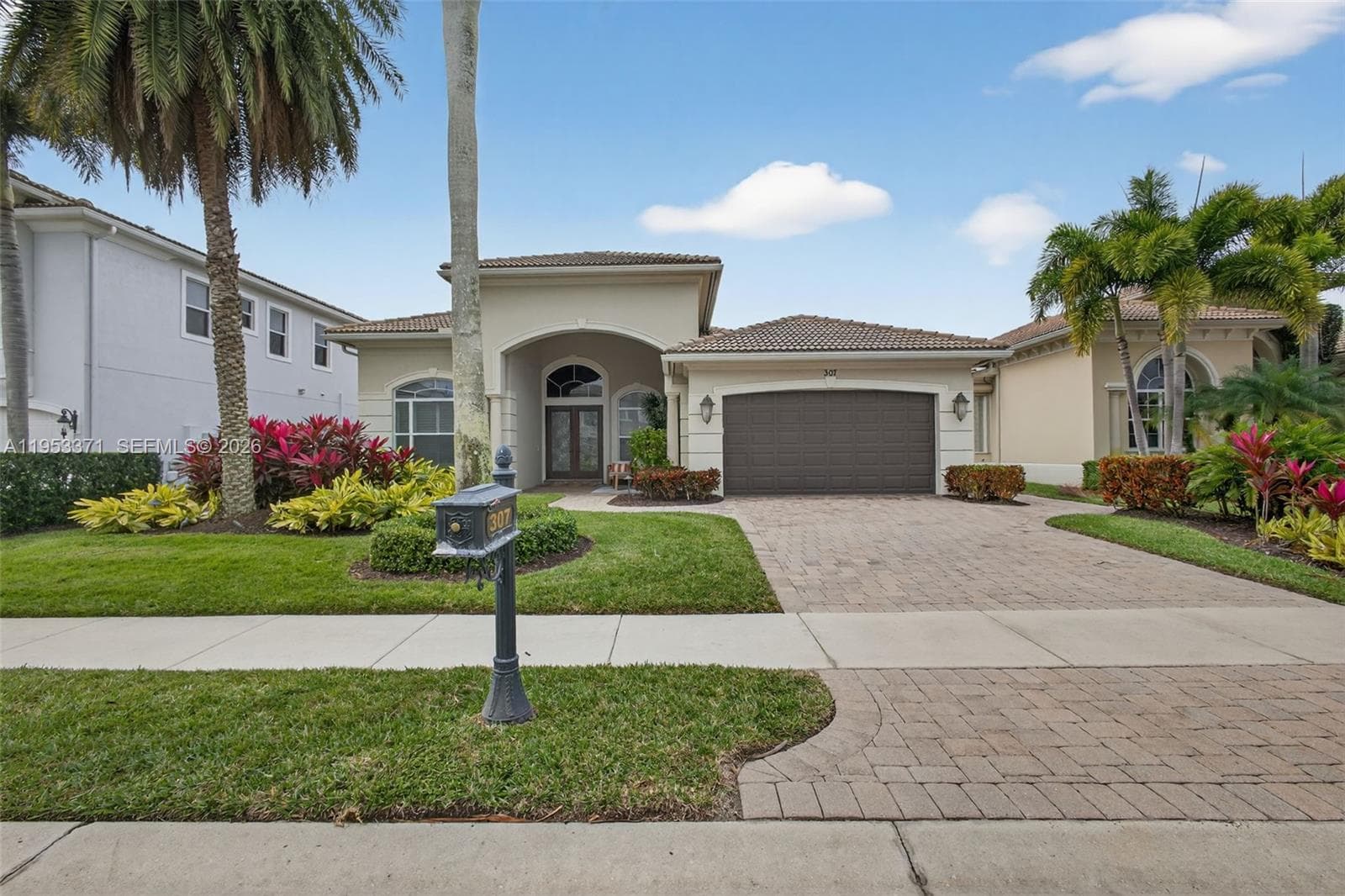
Palm Beach County
307 Charroux Dr, Palm Beach Gardens FL 33410
Palm Beach Gardens, FL
- List price
- $2,750,000
- Verified reduction
- 5.2%
- Property type
- single family
- Days on market
- 130
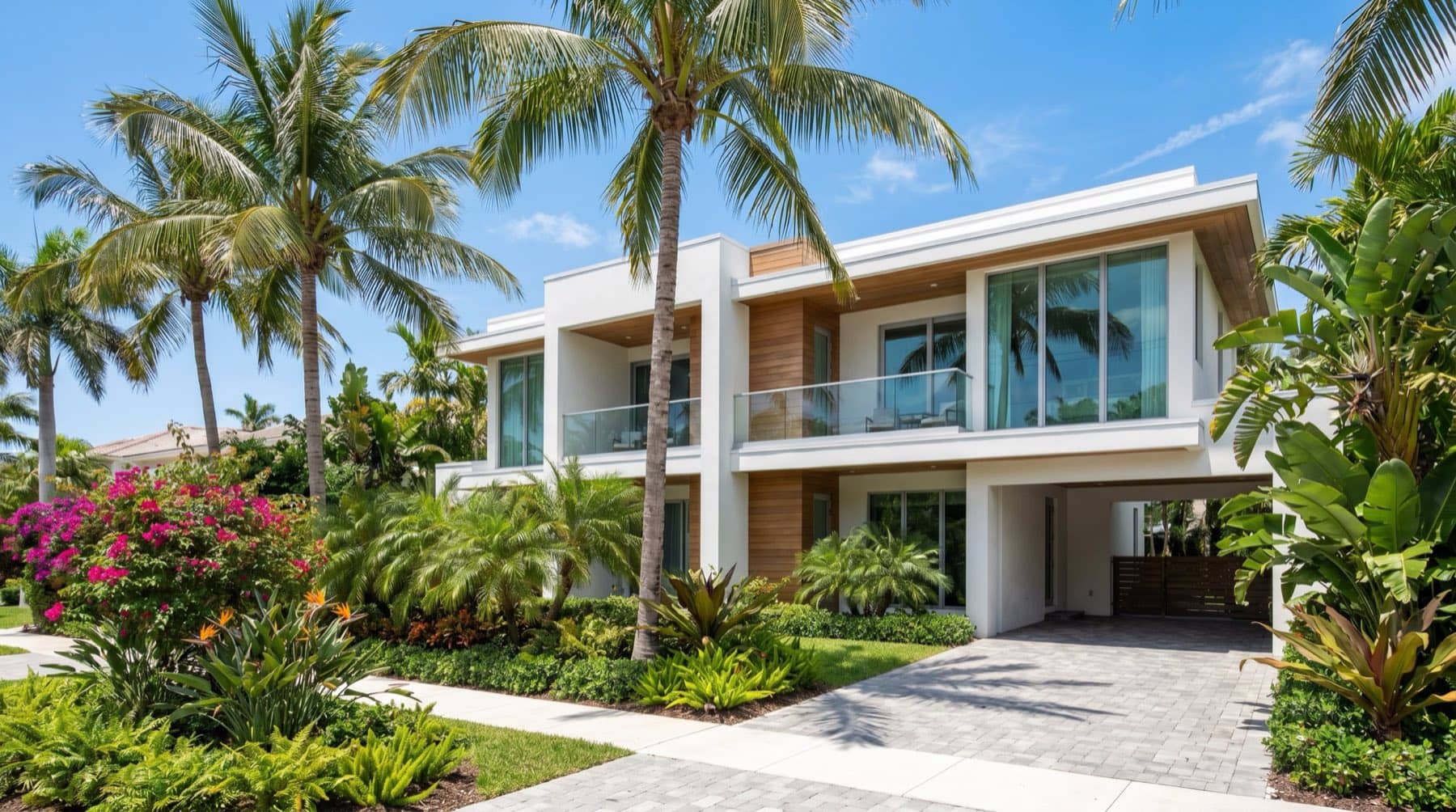
Most investors stitch together an agent, a GC, and a lender who don't talk to each other. We're a brokerage working with an affiliated, separately licensed Academia construction company, under a separate construction agreement — so acquisition, renovation, and exit run through one coordinated relationship.
Palm Beach and Broward appear first without excluding Miami-Dade. These are live MLS facts—not a Deal Score, appraisal, projection, or recommendation.
Palm Beach Gardens, FL
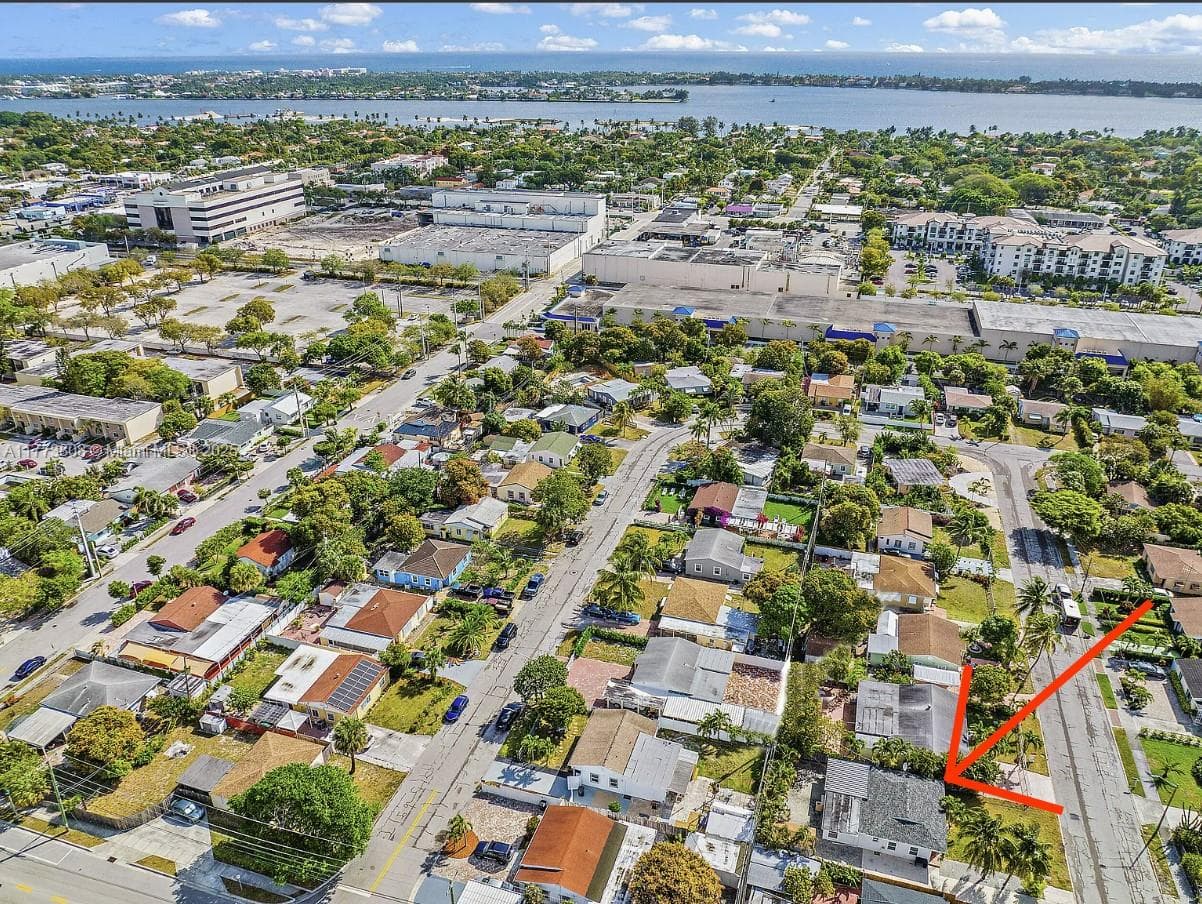
West Palm Beach, FL
MLS signals: Tenant-occupied
Request a property-specific review →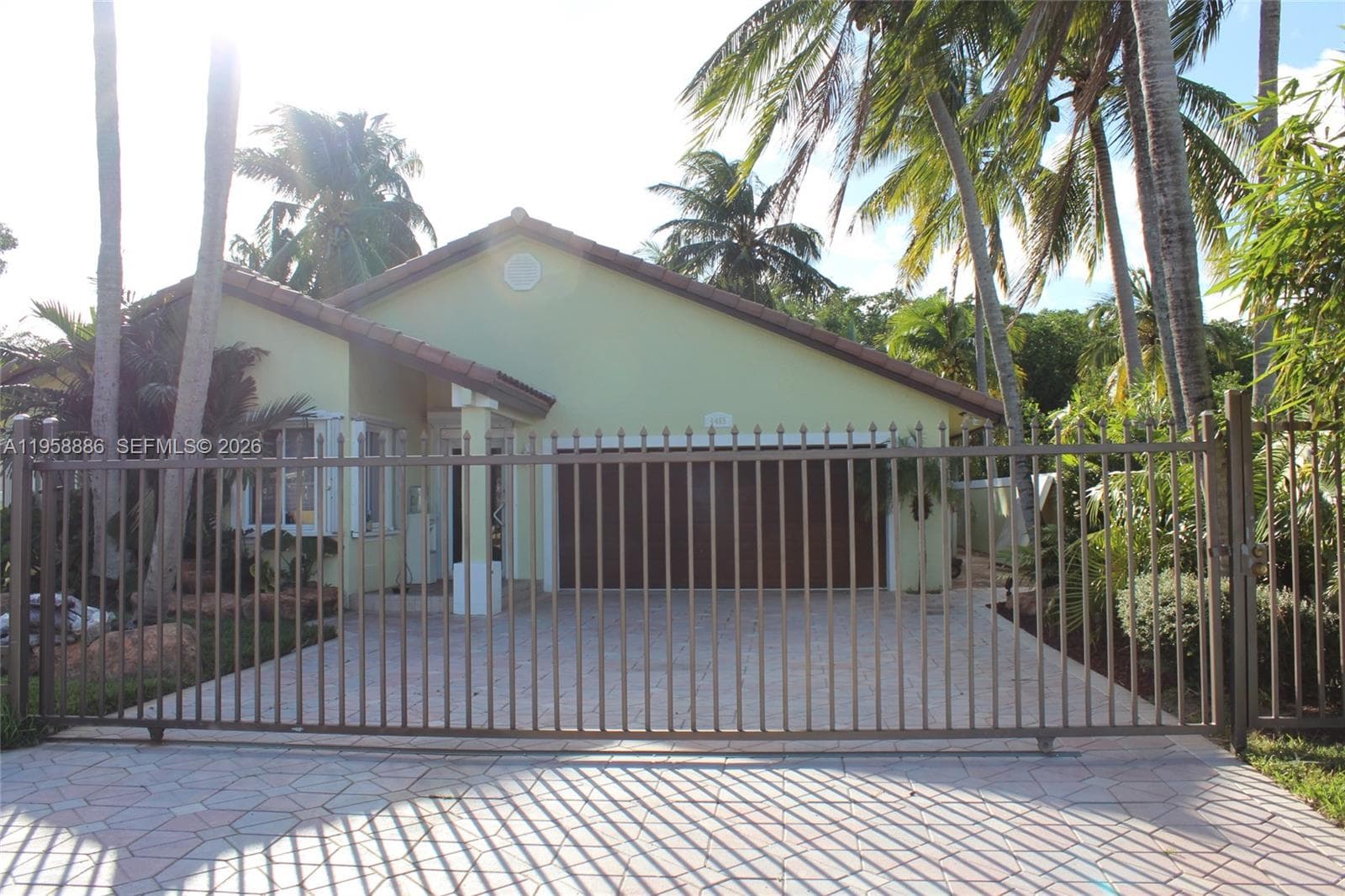
Dania Beach, FL
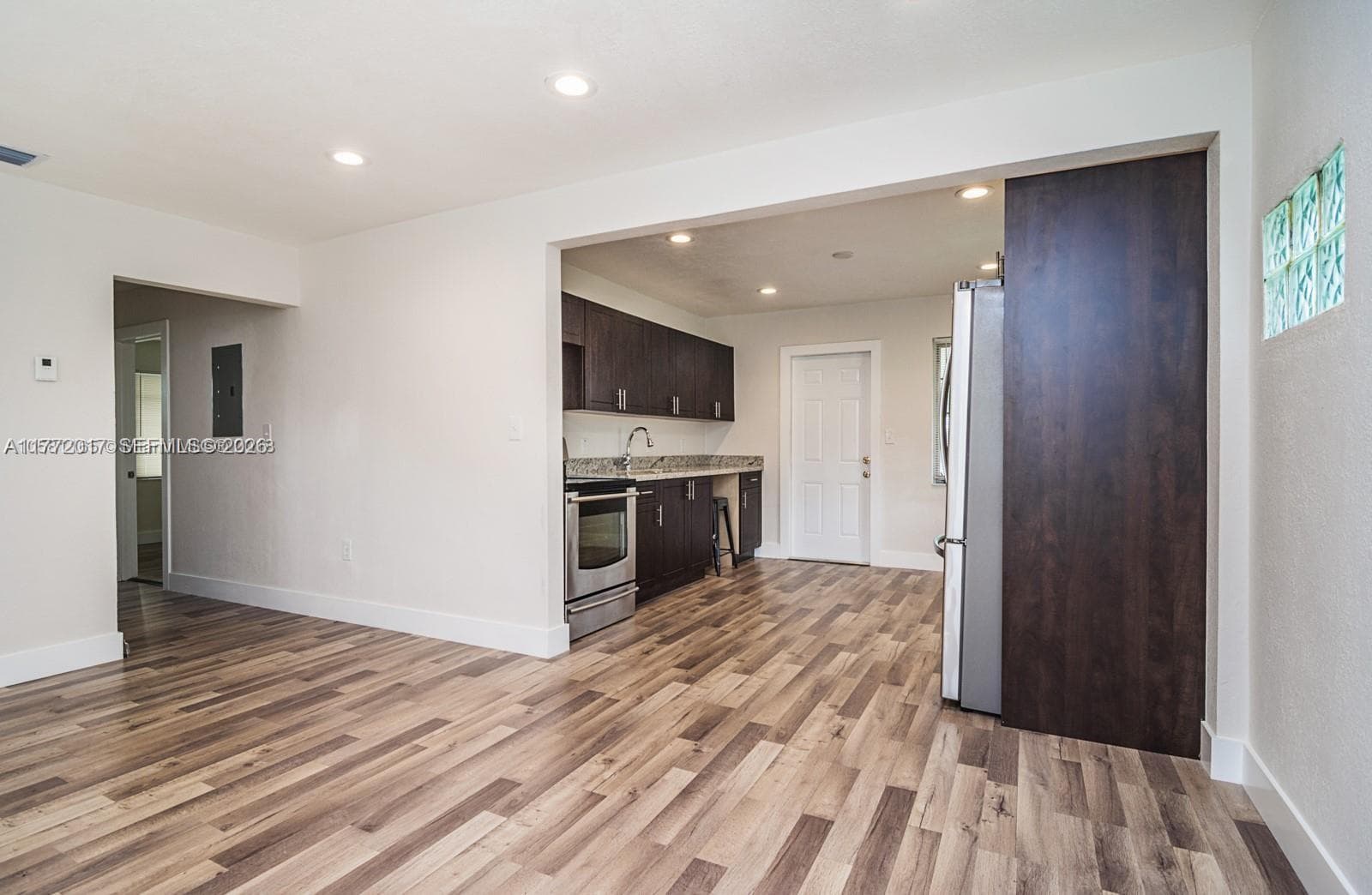
Hollywood, FL
MLS signals: Motivated seller
Request a property-specific review →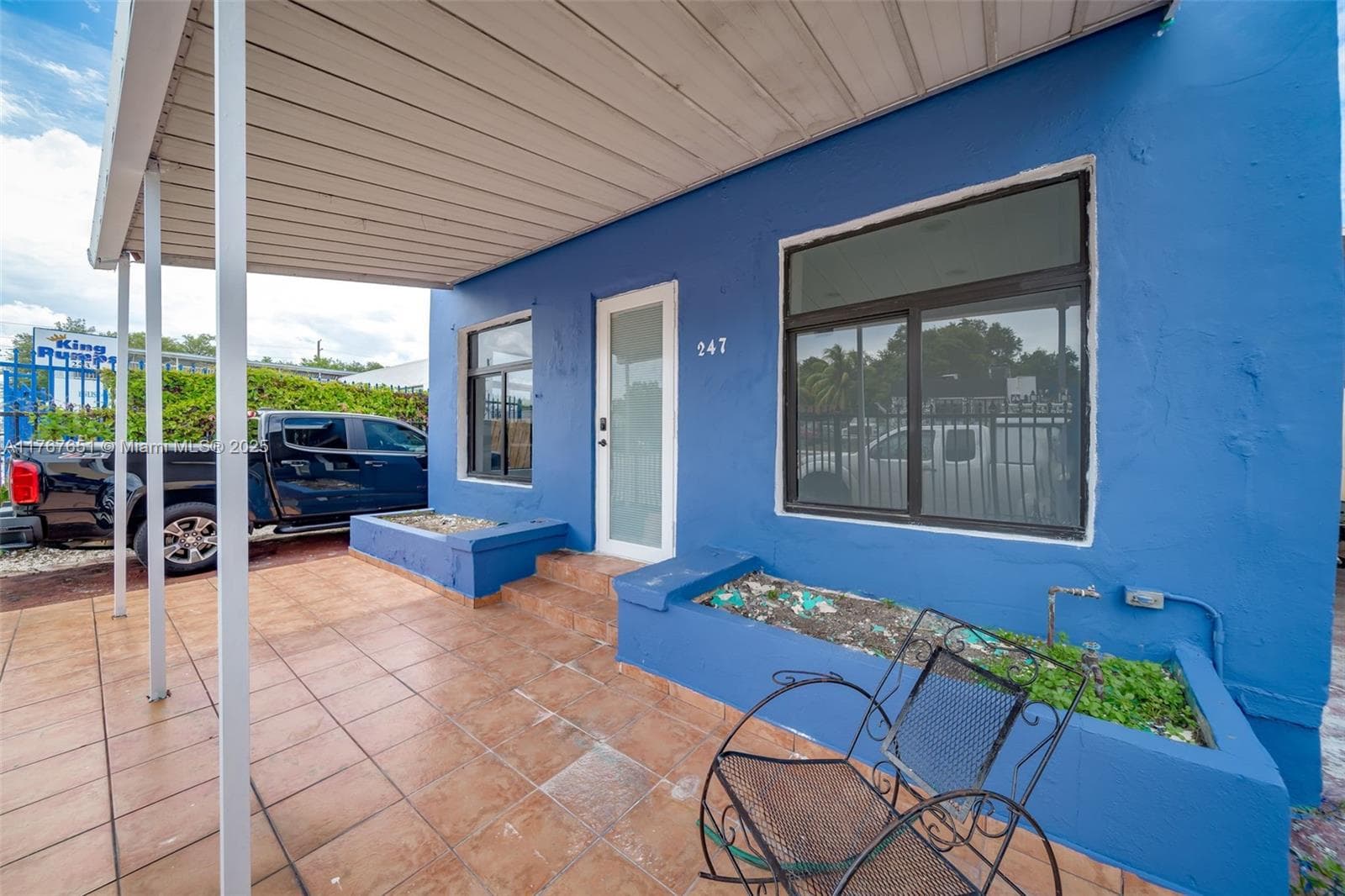
Miami, FL
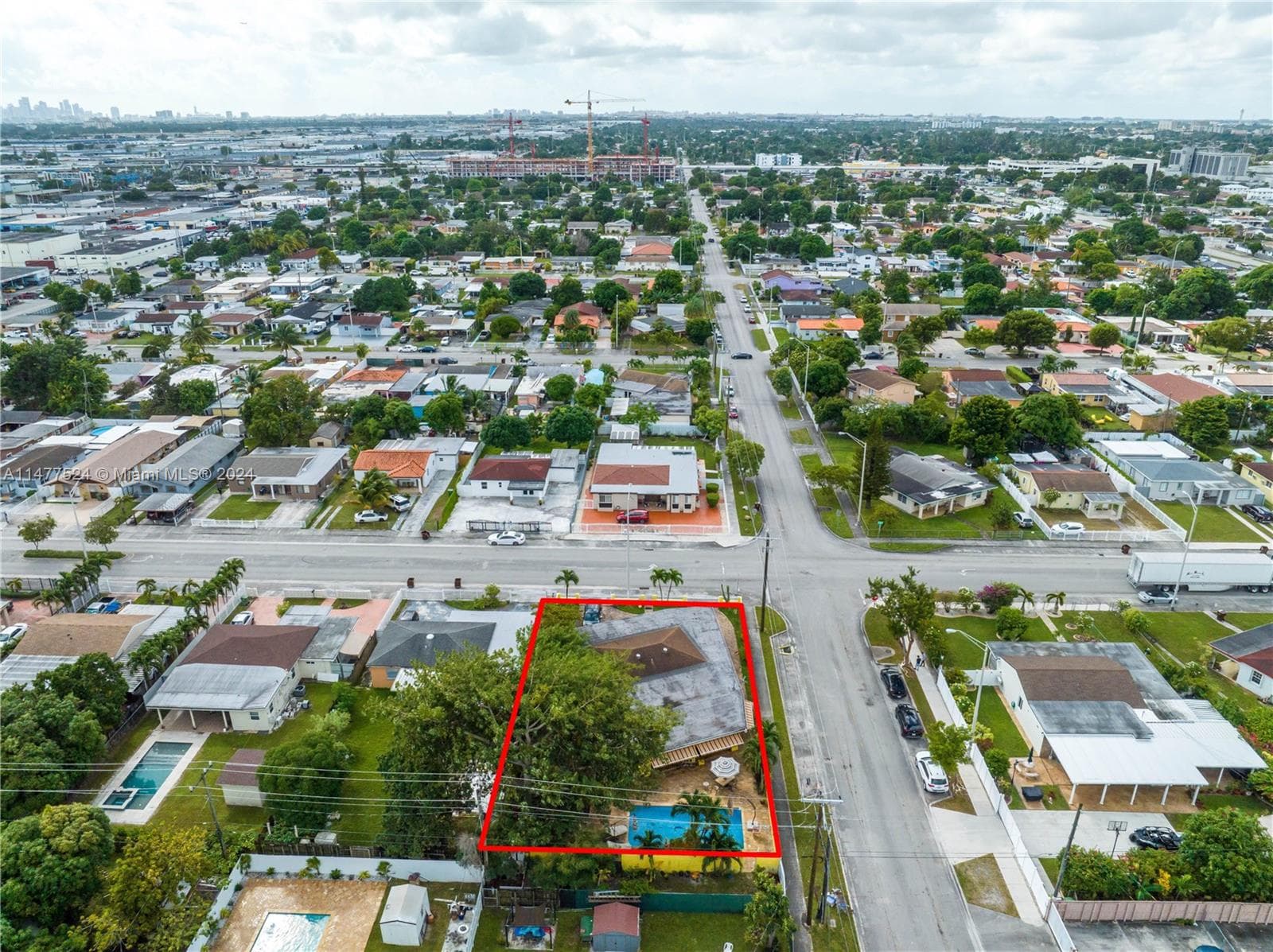
Hialeah, FL
MLS signals: White canvas / value-add
Request a property-specific review →When a broker guesses at construction, or a GC guesses at value, the investor absorbs the gap. We're a brokerage working with an affiliated, separately licensed Academia construction company, under a separate construction agreement — so condition, scope, and execution are assessed by a team accountable for delivering the work.
Buy a 2–4 unit, live in one unit, and rent the others — the classic owner-occupant on-ramp, and the bridge from first home to first investment. Low-down-payment owner-occupant loan programs exist for this; confirm terms with a licensed lender.
Buy, Rehab, Rent, Refinance, Repeat — a widely used value-add framework, with the renovation handled by Academia's affiliated, separately licensed construction company — roofing, A/C, electrical, plumbing, and finish crews — under a separate construction agreement.
“An investment is the whole property, held by a single accountable hand.”
AcademiaOff-market and on-market properties screened against your buy box.
Our licensed trades assess condition and renovation scope before you commit.
Self-performed renovation coordinated on one schedule.
We list or lease it — the same licensed relationship carries you to the exit.
The buildings suited to a house-hack or a value-add BRRRR — assessed for condition and exit by the brokerage, working with an affiliated construction company that self-performs the work.
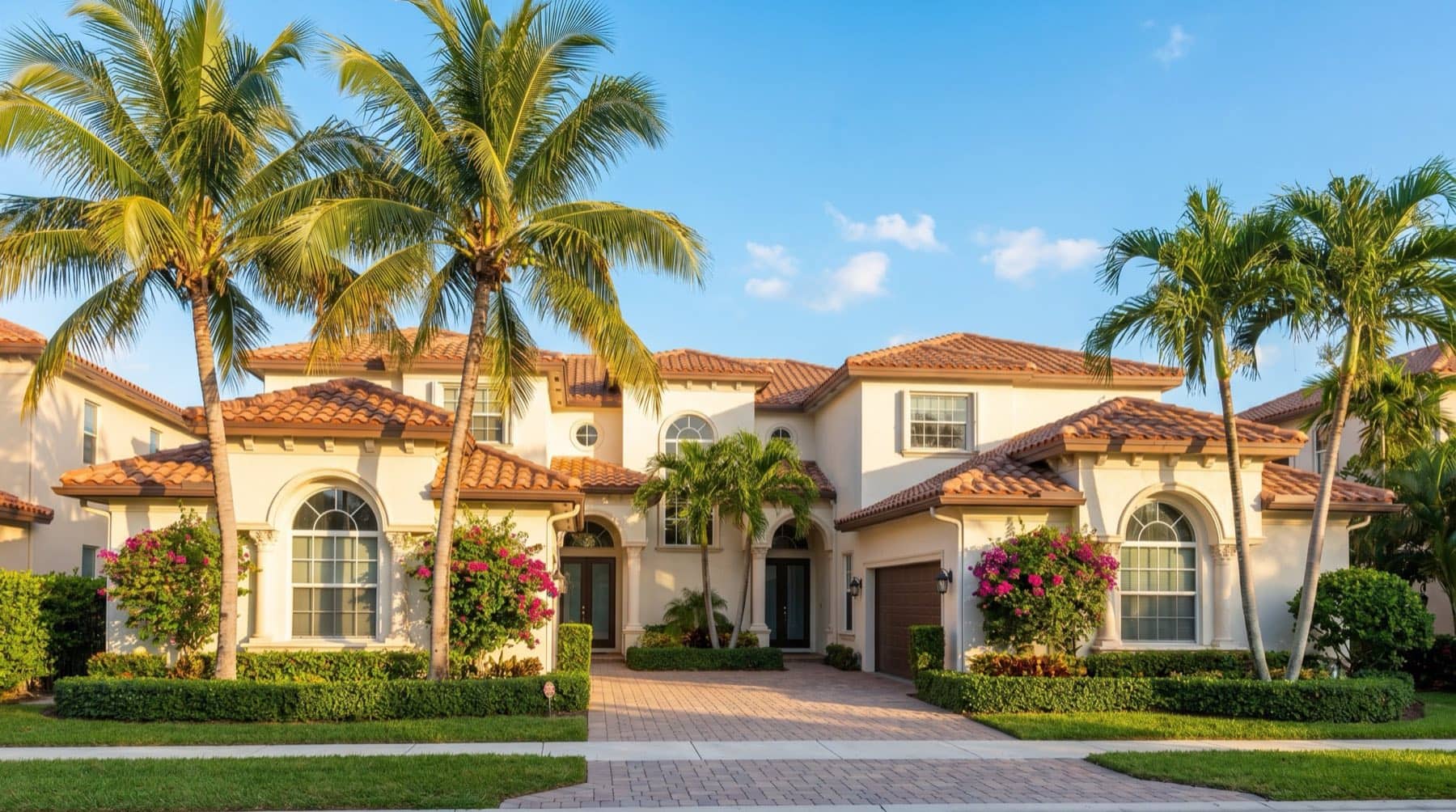
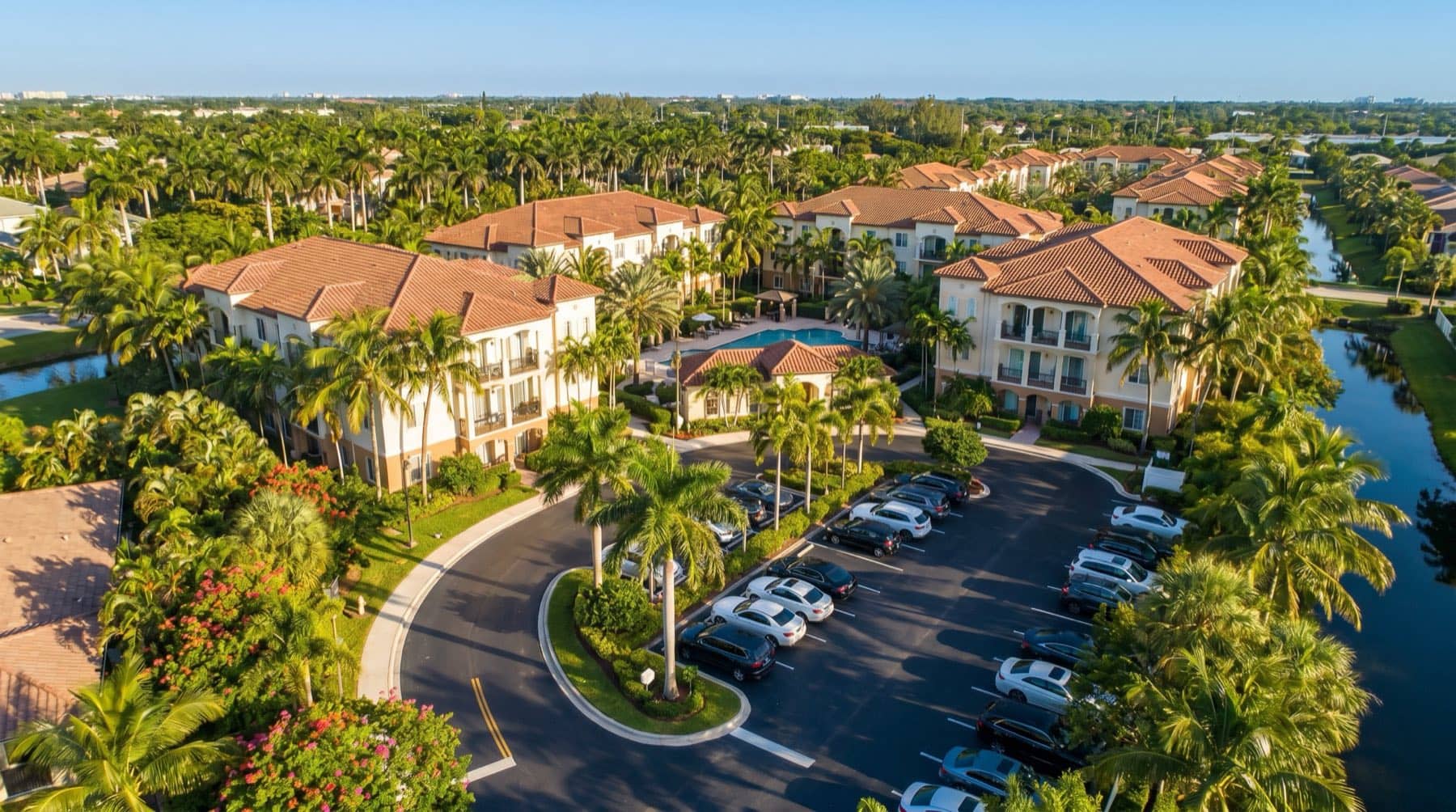
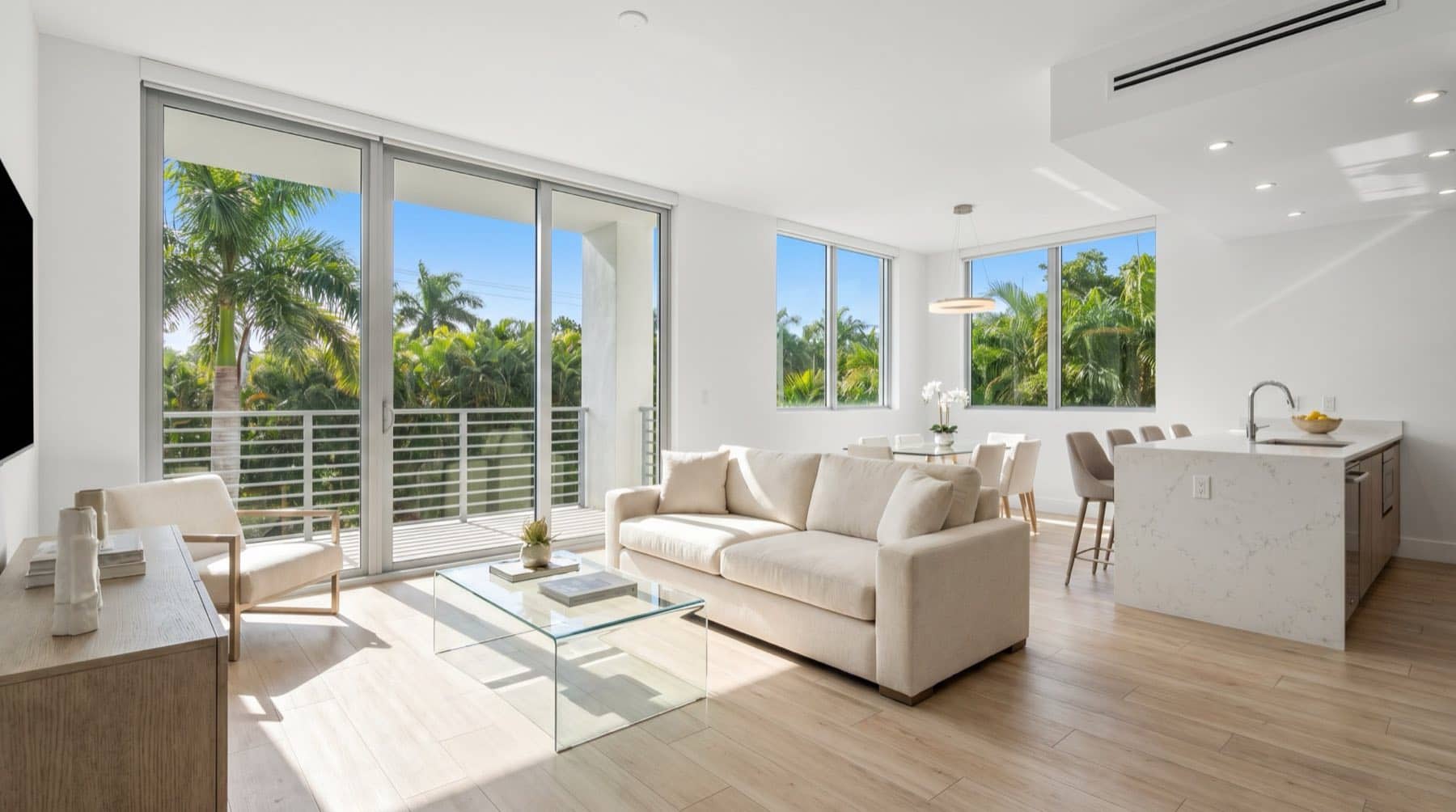
Acquire it. Reposition it. Hold or sell it.
Have a property in mind, or just a strategy? A licensed Academia broker plus our affiliated construction company will walk the property, the scope, and the plan with you — property-specific underwriting after appropriate diligence, not a pitch.
Brokerage and our affiliated construction company review every deal request together.
Curious whether an owner-occupant loan can put you in a fourplex? Here's how house-hacking works in Florida — confirm terms with a licensed lender.
Explore→Kitchens, baths, flooring, finishes — the value-add work, coordinated with an affiliated construction company that self-performs it.
Explore→Roof, wind-mit, and systems — the condition items that shape whether a value-add property works.
Explore→Florida's SB 4-D (2022) and the SB 154 (2023) refinements require condominium and cooperative buildings of three or more habitable stories to complete milestone structural inspections and fund Structural Integrity Reserve Studies (SIRS). Buildings that show substantial structural deterioration in a Phase I milestone inspection must complete a Phase II engineering assessment; any required repairs are then addressed on a timeline set by the engineer of record, the association, and the local authority having jurisdiction. That repair scope is a licensed-GC job — and staying on schedule matters for a building's marketability and financing options.
An owner's representative (owner's rep) is a construction professional hired by the property owner to represent their interests throughout a project — from scope development and contractor selection through construction administration, pay application review, and closeout. In South Florida's complex permitting and code environment, an owner's rep with a CGC license and local market knowledge is the difference between a project that closes on schedule and one that compounds.
Before a shovel moves, the owner's rep develops a detailed scope of work, a market-accurate budget (not a GC's optimistic bid), and a contractor selection process that matches the scope. In South Florida, this means knowing which GCs actually perform structural repair, MEP, and envelope work — and which win bids with low numbers they can't deliver.
During construction, the owner's rep attends site meetings, reviews pay applications against actual work-in-place, coordinates RFIs between the contractor and the design team, tracks schedule against milestone, and flags deviations before they become disputes. In South Florida's climate — with hurricane windows, inspection queues, and material lead times — schedule management is active, not passive.
A South Florida construction project isn't done when the contractor says it's done — it's done when the final inspection certificate is issued, the contractor's final lien waiver is collected, and the as-built documentation and warranties are in the owner's hands. The owner's rep drives that closeout, which GCs are rarely incentivized to rush.
The owner's rep model works best when the project is too complex or consequential for the owner to manage directly. That includes: condominium associations executing SIRS structural repairs, investors managing a value-add renovation from out of state, developers commissioning a first ground-up build, and individual owners undertaking a major renovation without construction experience. The rep's fee is offset by avoided change orders, prevented scope creep, and a project that ends on schedule.
A Structural Integrity Reserve Study (SIRS) is a Florida statutory reserve-planning requirement for covered condominium and cooperative buildings. The study identifies qualifying building components, evaluates remaining useful life and replacement cost, and informs required reserve funding. Applicability, deadlines, waivers, and component requirements have changed through multiple legislative updates, so an association should confirm its current obligations against Florida Statutes and qualified legal, engineering, and reserve-study professionals rather than relying on a general website summary.
A Phase I milestone inspection is a visual examination of a building's structural components by a Florida licensed architect or structural engineer. If the engineer finds evidence of substantial structural deterioration, the association must commission a Phase II inspection, which is a full assessment including testing and analysis of all structural systems. When Phase II finds structural deficiencies, the association must complete repairs within the timeframe set by the law and the local building official. The repair contractor must be a licensed Florida General Contractor (CGC or CBC) — the engineer specifies the repair, the GC executes it, and inspections are required before enclosure.
In Broward County's coastal building stock, the most common SIRS findings are: concrete spalling from carbonation-driven rebar corrosion (especially on balconies, soffits, and pool decks); post-tensioned slab deterioration in 1970s–1990s midrise buildings; failing waterproof membranes on balconies, plaza decks, and parking structures; and deteriorating balcony railings requiring code-upgrade replacement. Each of these requires a specific repair sequence specified by the structural engineer of record and inspected by the building department.
An owner's representative is a construction professional hired by the owner to protect the owner's interests throughout the project lifecycle — from scope development and bid management through on-site observation, pay application review, and project closeout. In South Florida, a good owner's rep combines licensed construction knowledge (understanding permits, code, and contractor obligations) with local market experience (knowing which GCs perform and which don't, what realistic costs are, and how the building department and inspection queues run). The rep is not the designer and not the contractor — they are the owner's eyes, voice, and technical backstop on the project.
A condominium association should hire an owner's rep for SIRS structural repairs in almost every case where the repair scope exceeds a few hundred thousand dollars or the board lacks construction experience. The rep ensures the scope is fully specified before the bid (avoiding low bids that compound into change orders), reviews pay applications so the association isn't paying for work not yet in place, tracks the schedule against the timeline set by the local building official, and manages the closeout documentation the building department requires for the final inspection. Boards should weigh the rep's fee against the value of avoided change orders and a smoother closeout — outcomes vary by project.
Academia Real Estate Corp is a licensed Florida real estate brokerage. Renovation and construction services referenced on this page are provided by an affiliated, separately licensed Academia construction company (CGC) under a separate written construction agreement — not by the brokerage itself. This page is general information about how we work — it is not investment, tax, legal, lending, appraisal, or insurance advice. Any property-specific underwriting is provided only after appropriate diligence. Confirm financing terms with a licensed lender. Strategy names such as BRRRR and house-hacking are described as context, not as a promise of any financial outcome.
One Academia. Academia Development Corp and Academia Real Estate Corp are divisions of The Academia Group.
Florida Licensed · Real Estate Broker BK3384781 · verify at myfloridalicense.com
Equal Housing Opportunity. Academia Real Estate Corp is committed to the letter and spirit of U.S. policy for the achievement of equal housing opportunity throughout the nation. We do not discriminate on the basis of race, color, religion, sex, handicap, familial status, or national origin.