
Two homes at the same price can cost wildly different amounts to own — and qualify for completely different loans — purely because of what type of property they are. Before you fall for a listing, understand the three lanes you're choosing between and what each one asks of you.
The three lanes, compared
| Condo | Single-family | 2–4 unit multi | |
|---|---|---|---|
| Monthly extras | HOA dues + assessments | You own all maintenance | You're the landlord |
| Insurance | HO-6 (interior only) | Full HO-3 policy | Landlord / dwelling policy |
| Financing notes | Building must be warrantable | Most flexible | Rent can help you qualify |
| Best when | You want low-maintenance living | You want control & yard | You want tenants paying the note |
'Warrantable' means the condo building meets the lender's and FHA's standards for approval. A non-warrantable building can force you into a costlier loan — always ask before you offer.
Condos — convenience with a monthly partner
A condo means you own your unit's interior and share ownership of the building and grounds with everyone else, governed by a homeowners association. The HOA handles the roof, exterior, landscaping, and shared systems — which is the appeal — but you pay monthly dues for it, and those dues are part of what a lender counts against your budget.
The thing to scrutinize as a buyer is the association's health. Special assessments — one-time charges levied on every owner to fund a big repair — can land without warning if the building's reserves are thin. Ask for the association's budget, reserve study, and assessment history before you commit. A cheap condo with a fragile HOA can become an expensive surprise.
Single-family — control, and the full repair bill
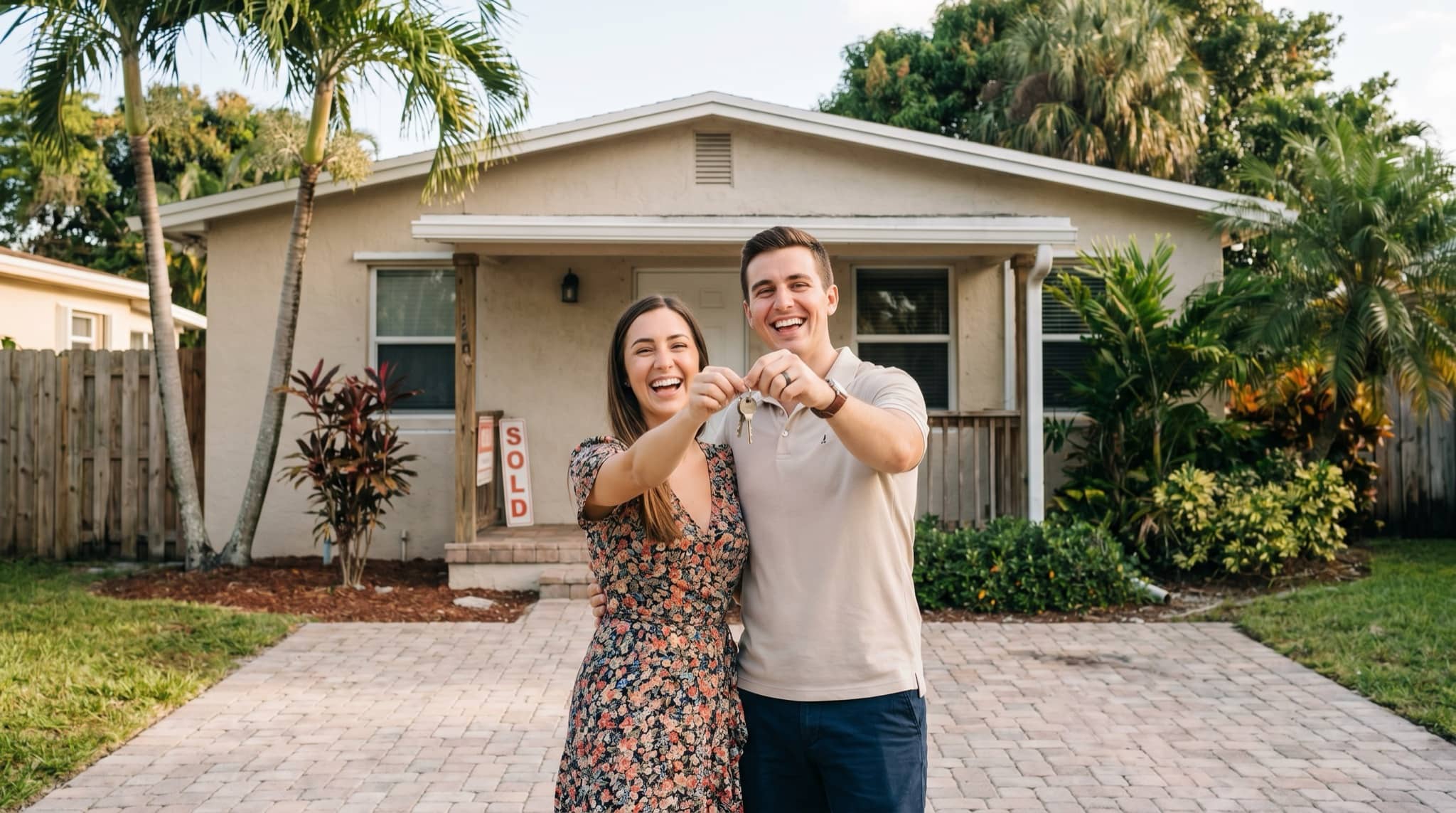
A single-family home is the most flexible to finance and the freest to own — no HOA approval to paint your door, no shared walls, usually a yard. The trade is that every system is yours. When the roof, the AC, or the water heater goes, there's no association to share the cost. That's why your reserve cushion matters most here.
For a first-time buyer this is often the cleanest path: the financing is straightforward, the insurance is a standard HO-3 policy, and you control the asset completely. Just budget honestly for maintenance — a home doesn't stop aging because you just bought it.
2–4 unit — where buying meets investing
A duplex, triplex, or fourplex is still a first-home purchase in the eyes of an FHA loan, as long as you live in one unit. But it behaves like an investment: the other units generate rent, a portion of which can help you qualify for the loan, and that rent can cover much of your mortgage.
The trade is responsibility. You're now a landlord — screening tenants, handling repairs, managing turnover (or hiring someone who does). For the buyer willing to take that on, it's the fastest path from renter to real-estate owner with momentum. We cover the financing mechanics in detail in the financing section.
Insurance differs by type — and this is Florida
In South Florida insurance isn't a footnote, it's a major line in your monthly payment. A single-family home carries a full HO-3 policy covering structure and contents. A condo needs only an HO-6 'walls-in' policy because the association insures the building shell — usually cheaper, but you're exposed to the association's master-policy deductible. A 2–4 unit you partly rent out needs a landlord or dwelling policy.
Across all three, roof age and wind mitigation drive your premium more than almost anything else. A newer roof with proper wind features can cut your insurance dramatically — which is why we tell buyers to weigh the roof before they weigh the kitchen.
Property-type questions
Is it better to buy a condo or a single-family home in Florida?
It depends on your appetite for maintenance and HOA rules. Condos trade control for convenience and add monthly dues plus assessment risk; single-family homes give you full control but you own every repair. Run both against your budget and how hands-on you want to be.
What is a special assessment on a condo?
It's a one-time charge the HOA levies on all owners to cover a large expense — like a roof replacement or required repair — that reserves can't fully fund. Reviewing the association's reserves and assessment history before buying helps you avoid a nasty surprise.
Can a first-time buyer buy a duplex?
Absolutely. With an FHA loan you can buy a 2–4 unit at 3.5% down as long as you live in one unit for a year. It's one of the most popular first purchases for buyers who want their housing cost partly covered by tenants.
Why is condo insurance different from house insurance?
A condo association insures the building's structure with a master policy, so you only need an HO-6 'walls-in' policy for your interior — typically cheaper. A single-family home needs a full HO-3 policy covering the whole structure.